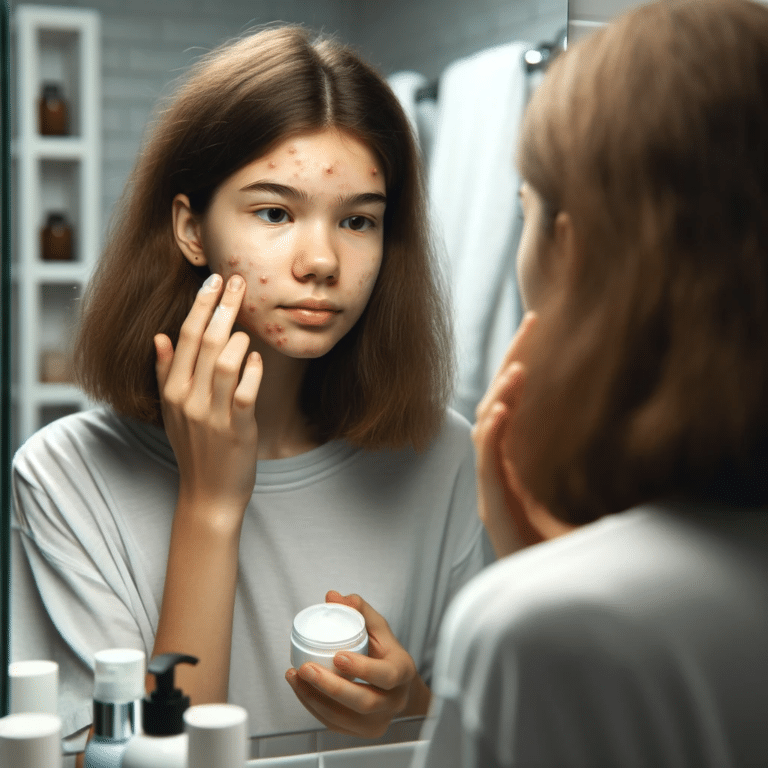
Atopic dermatitis, commonly known as eczema, is a persistent inflammatory skin disorder that affects millions of people worldwide.
If you’ve ever experienced patches of irritated, itchy skin that just won’t go away, you might be dealing with this chronic condition.
What Triggers Atopic Dermatitis?
Scientists haven’t pinpointed one single cause of atopic dermatitis. Instead, research suggests it develops from an interplay between your genes and your environment. If you have family members with eczema, asthma, or seasonal allergies, you’re more likely to develop it yourself.
Several factors can make you more susceptible to this condition:
Your skin’s protective barrier may not function properly, allowing moisture to escape and irritants to penetrate more easily. Your immune system might overreact to certain triggers, leading to inflammation. Everyday products like harsh soaps, certain fabrics, and household detergents can aggravate the condition. Even psychological stress and emotional upheaval can trigger flare-ups.
Recognizing the Signs
The hallmark symptom of atopic dermatitis is persistent itching that can range from mildly annoying to severe enough to interfere with sleep and concentration. Beyond the itch, you might notice skin that feels perpetually dry or rough, discolored patches ranging from red to brownish-gray depending on your skin tone, small bumps that may weep or form crusts when scratched, or skin that becomes thick, leathery, or scaly over time.
Left untreated, the constant scratching can break the skin’s surface and create openings for bacterial infections to take hold.
Managing Your Symptoms
Though atopic dermatitis can’t be permanently cured, effective management strategies can significantly improve your quality of life. Treatment focuses on three main objectives: calming inflammation and reducing that incessant itch, maintaining proper skin hydration, and preventing secondary infections.
Your healthcare provider might recommend prescription creams containing corticosteroids or calcineurin inhibitors to combat inflammation. Over-the-counter antihistamines can provide itch relief, especially at night. Regular use of quality moisturizers helps repair your skin’s barrier function. If infections develop, antibiotics may be necessary. For stubborn cases, light therapy or systemic medications might be considered.
One of the most effective strategies is identifying and avoiding your personal triggers, whether that’s certain foods, skincare products, or environmental factors.
Taking the Next Step
If you suspect you’re dealing with atopic dermatitis, don’t hesitate to consult a healthcare professional. An accurate diagnosis is the first step toward finding relief and preventing complications. With the right treatment plan tailored to your specific needs, you can keep symptoms under control and protect your skin’s health.